Understanding Drywall Cracks: Cosmetic Issues vs Structural Concerns for Your Home
- Feb 22
- 4 min read
Drywall cracks often catch the eye of homeowners and property managers, raising questions about their cause and severity. Some cracks are harmless signs of normal settling, while others may indicate deeper structural problems that need immediate attention. Knowing how to tell the difference, what to watch for, and when to act can save you time, money, and stress during home maintenance or remodeling projects.
This guide will help you understand the common causes of drywall cracks, how to repair them properly, and when to seek professional help, especially if you live in Kansas City or similar regions where settling cracks are common.
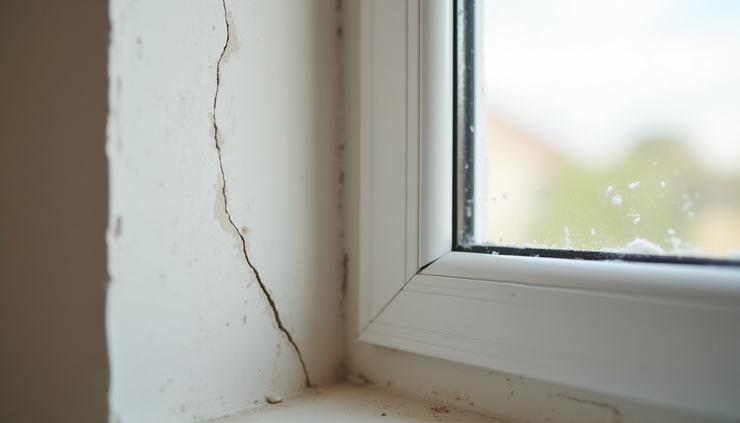
Drywall cracks near window frames often result from normal settling but should be monitored for changes.
What Causes Drywall Cracks?
Drywall cracks can develop for several reasons, ranging from natural house movement to moisture damage. Understanding these causes helps you decide if a crack is cosmetic or a sign of a bigger issue.
Normal Settling
Homes naturally settle over time as the foundation adjusts to soil conditions and weight distribution. This settling can cause minor cracks, especially around doorways, windows, and corners where drywall joints are more vulnerable.
Settling cracks are usually thin, hairline, and vertical or diagonal.
They often appear within the first few years after construction or remodeling.
These cracks tend to stabilize and do not widen significantly over time.
Temperature and Humidity Changes
Drywall and framing materials expand and contract with changes in temperature and humidity. This movement can cause small cracks, especially in areas with poor ventilation or inconsistent climate control.
Structural Movement or Damage
More serious cracks may indicate foundation problems, framing shifts, or water damage. Signs include:
Wide cracks (more than 1/8 inch)
Cracks that run horizontally or zigzag
Cracks accompanied by doors or windows that stick or do not close properly
Cracks that continue to grow or multiply over time
Water Damage
Leaks from plumbing, roofs, or windows can weaken drywall and cause cracks or bulges. Water stains or soft spots near cracks are red flags.
How to Identify Cosmetic Cracks vs Structural Concerns
Distinguishing between harmless settling cracks and serious issues requires careful observation and sometimes professional evaluation.
Characteristics of Cosmetic Cracks
Thin, hairline cracks less than 1/16 inch wide
Located near drywall joints, corners, or seams
Appear shortly after construction or remodeling
Do not change size or shape over months
No signs of water damage or mold
Signs of Structural Concerns
Cracks wider than 1/8 inch or that widen over time
Horizontal or stair-step cracks in brick or concrete walls
Cracks accompanied by uneven floors, sagging ceilings, or sticking doors/windows
Water stains, mold, or drywall softness near cracks
Multiple cracks appearing suddenly or spreading
If you notice any of these signs, it’s wise to consult a structural engineer or a drywall repair specialist in Kansas City to assess the situation.
What to Monitor Over Time
Even if a crack looks minor, monitoring it helps catch potential problems early.
Measure the width and length of cracks monthly.
Mark the ends of cracks with a pencil and date to track growth.
Check for new cracks appearing nearby.
Look for changes in doors, windows, or floors.
Watch for signs of moisture or mold.
If cracks grow or new symptoms appear, schedule a professional inspection.
How to Repair Drywall Cracks
Repairing drywall cracks properly ensures a smooth surface for painting or remodeling and prevents cracks from returning.
Materials Needed
Joint compound (drywall mud)
Drywall tape (paper or fiberglass mesh)
Sandpaper (medium and fine grit)
Putty knife or drywall knife
Primer and paint
Step-by-Step Repair for Small Settling Cracks
Clean the crack by removing loose debris and dust.
Apply drywall tape over the crack to reinforce the joint.
Spread joint compound over the tape, feathering edges to blend with the wall.
Let the compound dry completely (usually 24 hours).
Sand the area smooth with medium then fine grit sandpaper.
Apply a second coat of joint compound if needed, then sand again.
Prime and paint the repaired area to match the wall.
Repairing Larger or Structural Cracks
For cracks wider than 1/8 inch or those caused by structural issues, repairs may require:
Filling gaps with expanding foam or backer rods before applying joint compound
Reinforcing with metal corner beads or stronger drywall tape
Addressing underlying foundation or framing problems before cosmetic repair
Hiring a professional drywall repair service in Kansas City ensures these repairs are done safely and effectively.
When to Call a Professional
Knowing when to handle repairs yourself and when to call experts can prevent costly damage.
Call a drywall repair specialist if cracks are large, growing, or accompanied by other symptoms.
Consult a structural engineer if you suspect foundation or framing issues.
Seek help immediately if you find water damage or mold near cracks.
Use professional drywall repair services before major remodeling or painting to ensure a flawless finish.
Preventing Future Drywall Cracks
Taking steps to reduce drywall cracks helps maintain your home’s appearance and structural health.
Maintain stable indoor humidity and temperature.
Ensure proper drainage around your home’s foundation.
Fix leaks promptly to avoid water damage.
Use quality drywall materials and proper installation techniques.
Schedule regular home inspections to catch early signs of settling or damage.
Comments